
Ocean energy refers to renewable energy derived from natural ocean phenomena (tides, waves, currents, thermal gradients, salinity gradients, etc.). Clean and pollution-free with vast reserves, it represents a crucial direction for global energy transition. Its core classifications and characteristics are as follows:
1. Core Types (by Energy Source)
Tidal Energy: Generates electricity from the vertical movement of seawater during tidal cycles. This mature, stable technology is best suited for bays or estuaries with significant tidal ranges (e.g., coastal areas of Zhejiang and Fujian provinces in China).
Wave Energy: Harnesses the kinetic and potential energy of ocean waves for power generation. Widely distributed with substantial potential, though output fluctuates significantly with wind and wave conditions, necessitating robust wave-resistant equipment and technology.
Ocean Current Energy: Harnesses the flow of seawater (such as ocean currents and coastal currents) for electricity generation. It offers continuous and stable energy and is suitable for areas with strong ocean currents.
Ocean Thermal Energy Conversion (OTEC): Generates electricity using the temperature difference between warm surface seawater and cold deep seawater. It can provide continuous 24-hour power supply and is suitable for tropical seas.
Salinity Gradient Energy: Generates electricity using the salinity difference between river freshwater and seawater. It has enormous reserves, but the technology is still in the research and development stage.
2. Core Advantages and Current Status
Advantages: Renewable, zero emissions, abundant reserves (theoretical global ocean energy reserves exceed one trillion kilowatts), and no land occupation.
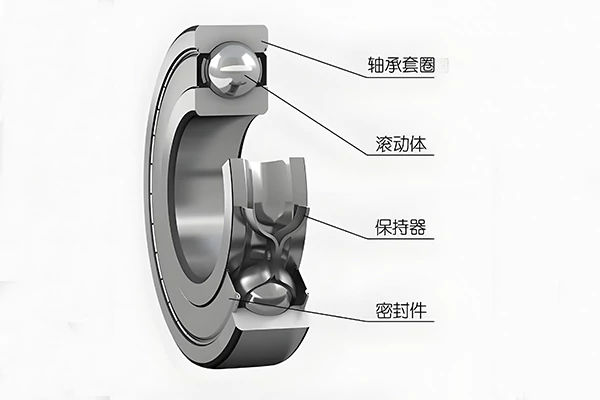
Current Status: Tidal and wave energy have achieved small-scale commercial application, while ocean thermal energy and osmotic energy remain primarily focused on technological development and demonstration projects. China has established multiple tidal and wave energy demonstration power stations in Zhejiang, Shandong, Guangdong and other regions, with technological capabilities ranking among the world's foremost. These installations consistently utilise corrosion-resistant and rust-proof bearing components.
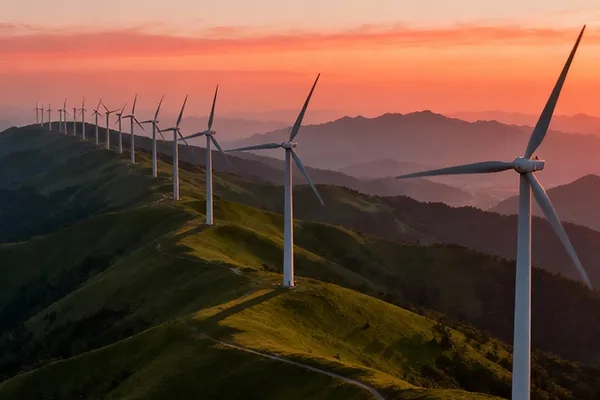
Wind Energy
New wind turbines typically need to operate for 20…
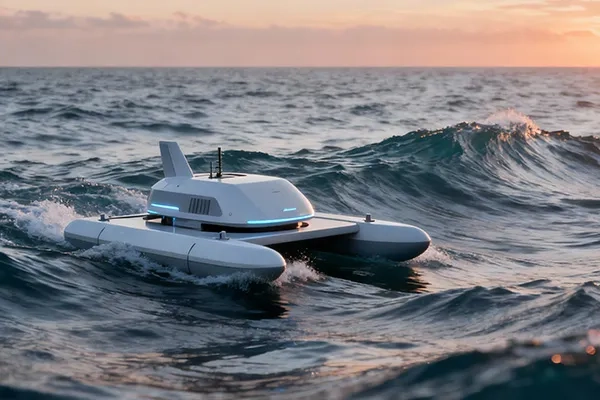
Ocean Energy
Ocean energy refers to renewable energy derived fr…
Mining Industry
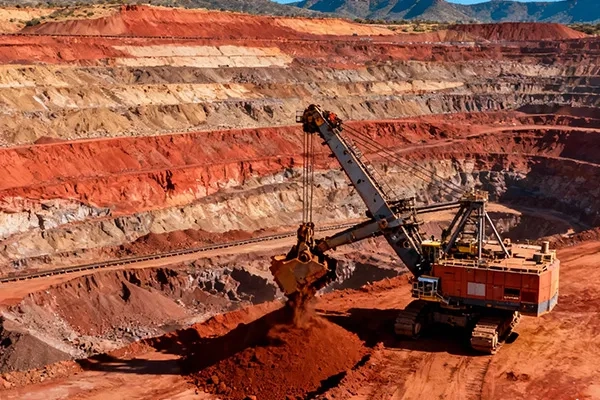
The mining, mineral processing, and cement product…
Metallurgical Industry
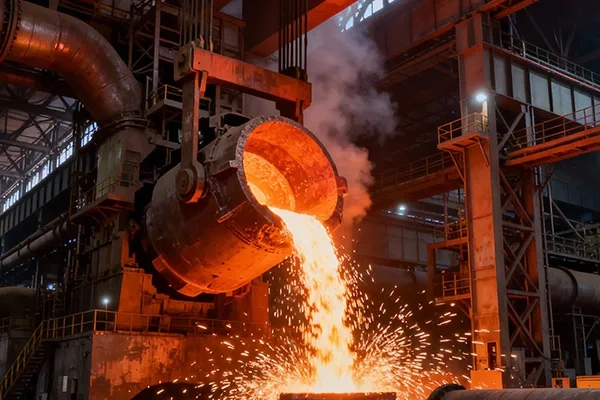
The metallurgical industry holds a central positio…
Material Handling
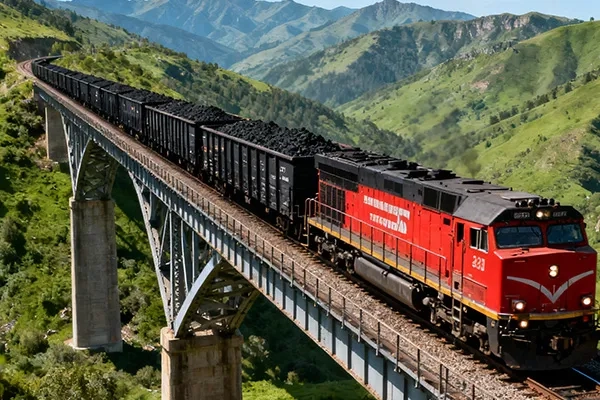
High-efficiency transmission plays a pivotal role …
Maritime Transport
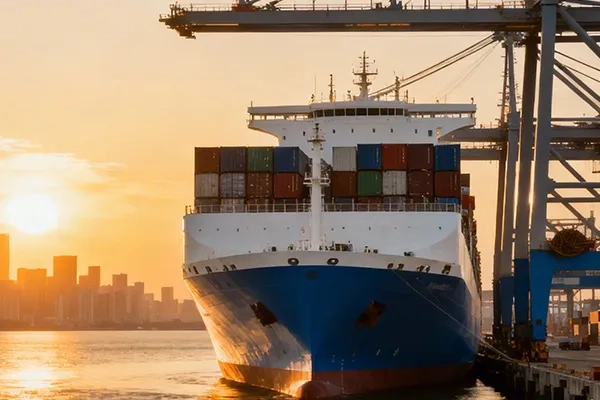
When time is of the essence, our marine solutions …